What are you searching for?
Explore all locations
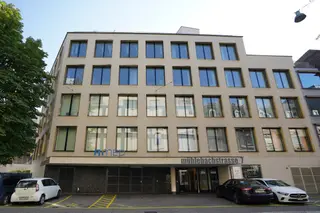
Zürich Bellevue
Mühlebachstrasse 7, 8008 Zürich
CTMRIUltrasoundBlood & Imaging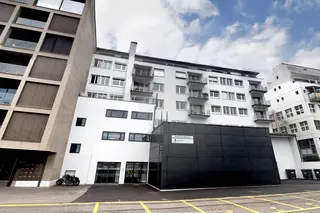
Zürich Wollishofen
Seestrasse 323a, 8038 Zürich
CTMRIUltrasoundBlood & Imaging
Zürich Paradeplatz
Poststrasse 6, 8001 Zürich
Blood only
Zug
Alpenstrasse 15, 6300 Zug
CTMRIUltrasoundBlood & Imaging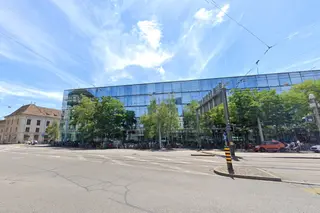
Basel Centre
Centralbahnstrasse 4, 4051 Basel
CTMRIUltrasoundBlood & ImagingBlood only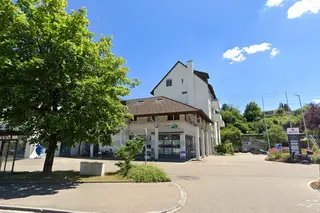
Basel Rheinfelden
Kaiserstrasse 5, 4310 Rheinfelden
CTMRIUltrasoundBlood & ImagingBlood only
Bern
Marktgasse 6/8, 3011 Bern
CTMRIUltrasoundBlood & Imaging
Geneva Centre
Rue de Rive 1, 1204 Genève
CTMRIUltrasoundBlood & Imaging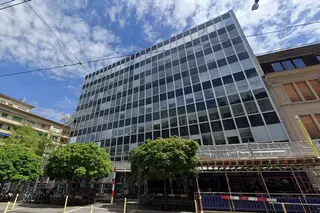
Geneva Lac
Rue de Lausanne 82, 1202 Genève
CTMRIUltrasoundBlood & ImagingGeneva Verdaine
Rue Verdaine 12, 1204 Genève
Blood only
Frequently Asked
A whole-body MRI ("magnetic resonance imaging") scan is an imaging procedure that uses a strong magnetic field and radio waves to create high-quality images of the entire body in a single examination. This includes body parts such as head and brain, neck, chest, abdomen and pelvis, spine, joints, blood vessels, and soft tissues (muscles, tendons, and ligaments).
A whole-body scan can help detect a variety of diseases and abnormalities and derive appropriate treatment recommendations. These include tumor diseases and metastases, inflammations, infections, injuries, vascular changes, aneurysms and neurological diseases (e.g., Alzheimer's and dementia, Parkinson's, multiple sclerosis). More information can be found in our blog article "MRI 101".
A recent study found that MRI screening in adults who did not have any disease symptoms led to clinically relevant findings in about one-third of patients. Of these findings, 2.6% were confirmed by pathology as invasive cancers. Whole-body MRI is a valuable tool for early cancer detection in individuals with hereditary cancer syndromes, significantly improving their chances of long-term health and survival.
Before an MRI examination, you should inform the radiology staff about implants (breast implants, metal implants), pacemakers, medications, allergies, or pregnancy. You should also remove all metal objects and jewelry. If you have claustrophobia, be sure to let them know beforehand.
MRI, X-ray and CT are based on different technologies and are therefore suitable for different medical applications. X-rays are used to produce two-dimensional images that are particularly good at showing bone structure. Computed tomography (CT) combines X-rays with a rotating camera to produce detailed cross-sectional images, which uses more radiation but provides a more precise view of complex tissues. In contrast, magnetic resonance imaging (MRI) uses magnetic fields and radio waves to produce high-resolution images of soft tissue without radiation exposure, but with longer examination times.
A whole-body MRI as a preventive examination enables the early detection of diseases, which can lead to more effective and less invasive treatments. It offers comprehensive screening and can reveal life-changing, and thus life-saving results. It is a long-term investment in your health that saves you many other examinations.
The following values are analyzed in our Starter and Plus packages: Total cholesterol, HDL cholesterol, LDL cholesterol, non-HDL-cholesterol, Triglycerides, High-sensitivity CRP, Lipoprotein (a), Apolipoprotein B, Folic acid (folate) in serum, Vitamin B12, Creatinine, eGFR, Alanine aminotransferase (ALAT), GGT: Gamma-glutamyl transferase, TSH, Leukocytes (white blood cells), Erythrocytes (red blood cells), Hemoglobin, Hematocrit, Thrombocytes (platelets), MCV, MCH, MCHC, RDW-CV, HbA1c (NGSP), HbA1c (IFCC)
Any more questions?
You can contact our team any time and we’ll be happy to answer any of your questions.

 Contact us
Get Started
Clarity about your health.Plan your check‑up.
Preventative health check-ups in Switzerland that detect conditions before they’re dangerous